

Key Takeaways
- Addiction is not a failure of willpower—it is a medically recognized disease that changes how the brain functions, especially in areas related to reward, decision-making, and impulse control.
- The brain’s dopamine system becomes rewired over time, making substances feel necessary for survival and making it incredibly difficult to stop without structured support.
- Many of the behaviors families struggle to understand—denial, relapse, emotional volatility—are rooted in real neurological changes, not simply poor choices.
- Recovery requires more than stopping substance use; it involves healing the brain, rebuilding habits, and engaging both the individual and their family system in treatment.
Overview: Addiction Is a Disease – And Understanding That Changes Everything
When we sit down with families for the first time, one of the most important conversations we have is this: addiction is a disease, not a choice.
That can feel hard to accept at first. Especially when you’ve watched someone you love make decisions that seem confusing, frustrating, or even hurtful.
But what we’ve learned through both clinical experience and neuroscience is that addiction changes the brain in very real ways. It impacts how a person thinks, feels, and responds to the world around them.
At The Blanchard Institute, we don’t just say addiction is a disease – we build our entire approach around that understanding. When you see what’s happening in the brain, it becomes easier to move from frustration to empathy and from confusion to clarity.
From there, we can start talking about what healing looks like.
What Does It Mean That Addiction Is a Disease?
When we say addiction is a disease, we’re not speaking metaphorically.
Addiction is a chronic brain disorder that affects behavior, decision-making, and self-control.
That means:
- It’s not simply about “bad choices”
- It doesn’t resolve through willpower alone
- It requires structured, clinical intervention to treat effectively
Just like diabetes or heart disease, addiction has biological, psychological, and environmental components.
And just like those conditions, it can be managed and treated—but not ignored or minimized.
How Substances Affect the Brain: A Simple Breakdown
Let’s walk through what’s happening in the brain in a way that feels approachable.
1. Dopamine and the Reward System
Your brain has a built-in reward system designed to help you survive.
When you do something essential—like eating or connecting with others—your brain releases dopamine. That creates a sense of pleasure and reinforces behavior.
Substances hijack that system.
Drugs and alcohol can cause surges of dopamine far beyond natural levels, which is why the experience feels so powerful. This overstimulation trains the brain to prioritize substance use over everything else.
Over time, the brain starts to believe:
“This is necessary. This matters more than anything.”
That’s not a mindset. That’s a neurological shift.
2. Tolerance and Dependence
As substance use continues, the brain adapts.
It reduces its natural dopamine production and becomes less responsive to the substance itself. This is why someone needs more of the substance to feel the same effect.
At the same time, everyday experiences—like relationships, hobbies, or achievements—start to feel flat or unfulfilling.
This creates a difficult cycle:
- Substances feel necessary to feel “normal”
- Everything else feels less meaningful
- The person becomes increasingly dependent
From the outside, it can look like someone “doesn’t care anymore.”
From the inside, their brain has been rewired to struggle with feeling anything at all without the substance.
3. Impulse Control and Decision-Making
Addiction doesn’t just affect reward—it also impacts the prefrontal cortex, the part of the brain responsible for:
- Judgment
- Planning
- Self-control
Substance use can weaken these functions over time.
This is why you may see behaviors like:
- Saying one thing and doing another
- Making decisions that don’t align with long-term goals
- Acting impulsively despite consequences
It’s not that the person doesn’t understand the consequences.
It’s that their ability to act on that understanding has been compromised.
Why This Matters for Families
If you’ve ever thought:
“Why don’t they just stop?”
“They know this is hurting everyone.”
“They’ve promised before.”
You’re not alone. We hear this every day.
But when you understand the neuroscience, those questions start to shift.
It becomes less about:
- “Why won’t they?”
And more about:
- “What’s getting in the way?”
At The Blanchard Institute, we work closely with families through our family support programs because healing doesn’t happen in isolation.
Addiction affects the entire system. And recovery does too.
Connecting Brain Science to Real-Life Behavior
Let’s make this practical.
Here are a few common behaviors families see—and what may be happening underneath them:
Denial or Minimization
The brain is protecting access to the substance. This isn’t just avoidance—it’s survival wiring.
Relapse After Progress
Triggers, stress, or environmental cues can reactivate neural pathways quickly. Recovery takes time and repetition.
Emotional Highs and Lows
The brain is recalibrating after being chemically altered. Mood instability is common in early recovery.
Isolation or Withdrawal
Social connection may feel less rewarding than substance use initially. This improves with treatment and time.
When we frame these behaviors through a clinical lens, it doesn’t excuse them—but it does help us respond more effectively.
Why Willpower Alone Isn’t Enough
One of the biggest misconceptions we see is the belief that someone just needs to “want it more.”
But motivation alone doesn’t override neurological changes.
In fact, as we often explain to families, motivation is not the determining factor in recovery outcomes.
What matters more is:
- Structured support
- Clinical guidance
- Environmental stability
- Family involvement
That’s why our treatment programs are designed to meet people where they are, rather than expecting them to push through something their brain is actively working against.
How Treatment Helps the Brain Heal
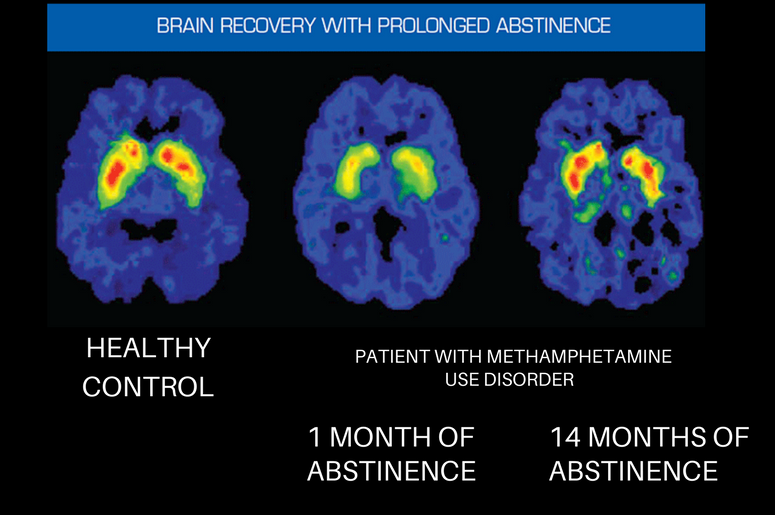
The good news is this: the brain can heal.
Neuroplasticity allows the brain to form new pathways over time. But that process requires consistency, structure, and support.
At The Blanchard Institute, our approach includes:
- Comprehensive assessment to determine the right level of care
- Evidence-based therapies to rebuild thought patterns and behaviors
- Family system engagement from the very beginning
- Ongoing support through programs like addiction programs
We don’t believe in a one-size-fits-all model. Every individual’s biology, environment, and history are different.
That’s why treatment has to be individualized—and why it starts with understanding the full picture.
Why Environment and Support Matter So Much
Here’s something many people don’t realize:
Outpatient care is often more complex than inpatient care.
Why? Because individuals return to their home environment every day.
That means:
- The same stressors are still present
- The same relationships are still active
- The same triggers may still exist
This is why we emphasize:
- Family involvement
- Structured routines
- External support systems
Recovery doesn’t happen in a vacuum. It happens in real life.
What Families Can Do Moving Forward
If you’re reading this as a loved one, here are a few practical ways to support someone through this process:
1. Shift your perspective
Start seeing addiction as a disease, not a choice. This changes how you respond.
2. Get involved early
Engage in family programming, education, and support groups.
3. Focus on communication
Healthy boundaries and clear communication matter more than control.
4. Seek guidance
You don’t have to figure this out alone. Our admissions process is designed to walk you through next steps with clarity.
Quick Takeaway
Addiction changes the brain in ways that make stopping incredibly difficult without support.
But with the right treatment, the right environment, and the right level of care, healing is absolutely possible.
And it doesn’t have to happen alone.
FAQs
How do I know if my loved one’s behavior is caused by addiction or something else?
This is one of the most common questions we hear, and it’s a fair one. Addiction often overlaps with mental health conditions, trauma, and environmental stressors, which can make it difficult to tell what’s driving certain behaviors. That’s why a comprehensive clinical assessment is so important. We look at substance use history, mental health symptoms, family dynamics, and daily functioning to understand the full picture. If you’re unsure, starting with a conversation through our admissions team can help clarify what’s going on and what level of care may be appropriate.
Can the brain fully recover from addiction?
The brain has an incredible ability to heal, but it takes time and consistency. Some changes begin to reverse within weeks or months of abstinence, while others may take longer. The key is ongoing engagement in treatment, supportive environments, and healthy routines. Recovery isn’t about returning to a “before” state—it’s about building a new, more stable way of functioning.
Why does my loved one seem motivated one day and resistant the next?
This is very common and often reflects the ongoing tension between different parts of the brain. The part that understands consequences may be active one moment, while the reward system or stress response takes over the next. This inconsistency isn’t manipulation—it’s part of how addiction affects brain function. Structured support helps create stability during these fluctuations.
What’s the best first step if we’re ready to seek help?
The best first step is simply reaching out and having a conversation. You don’t need to have everything figured out. Our team can guide you through what an assessment looks like, what options are available, and how to involve the family in a way that supports long-term success. Starting that process early can make a significant difference in outcomes.
Sources
- National Institute on Drug Abuse. Drugs, Brains, and Behavior: The Science of Addiction. https://nida.nih.gov/publications/drugs-brains-behavior-science-addiction
- National Institute on Drug Abuse. How Drugs Affect the Brain. https://nida.nih.gov/publications/drugs-brains-behavior-science-addiction/drugs-brain