

Key Takeaways
- At The Blanchard Institute, education is not an add-on to treatment. It is a core part of how we help individuals and families understand mental health challenges and the path forward before treatment even begins.
- Many families enter the journey feeling overwhelmed by stigma, fear, and conflicting information. Education helps replace uncertainty with clarity, making it easier to make informed decisions about care.
- Understanding mental health conditions as a disease – not a moral failure or personal shortcoming- often creates the perspective shift families need to begin healing together.
- The Blanchard Institute was intentionally named an “Institute” because we believe that teaching, guiding, and empowering families is just as important as providing high-quality clinical care.
Overview: Why Education Matters for Families
When a loved one is struggling with mental health challenges, families often find themselves searching for answers they never expected to need.
They spend hours reading articles, talking to friends, scrolling through websites, and trying to figure out what treatment involves. Along the way, they encounter conflicting advice, confusing terminology, and plenty of misinformation.
That confusion matters because fear often grows in the absence of understanding.
At The Blanchard Institute, we’ve learned that education can be one of the most powerful tools families have during the earliest stages. When people understand what they’re facing, why it’s happening, and what treatment looks like, they can move forward with more confidence and less fear.
That’s one of the reasons we chose the name “Institute” in the first place.
Because before healing begins, understanding often comes first.
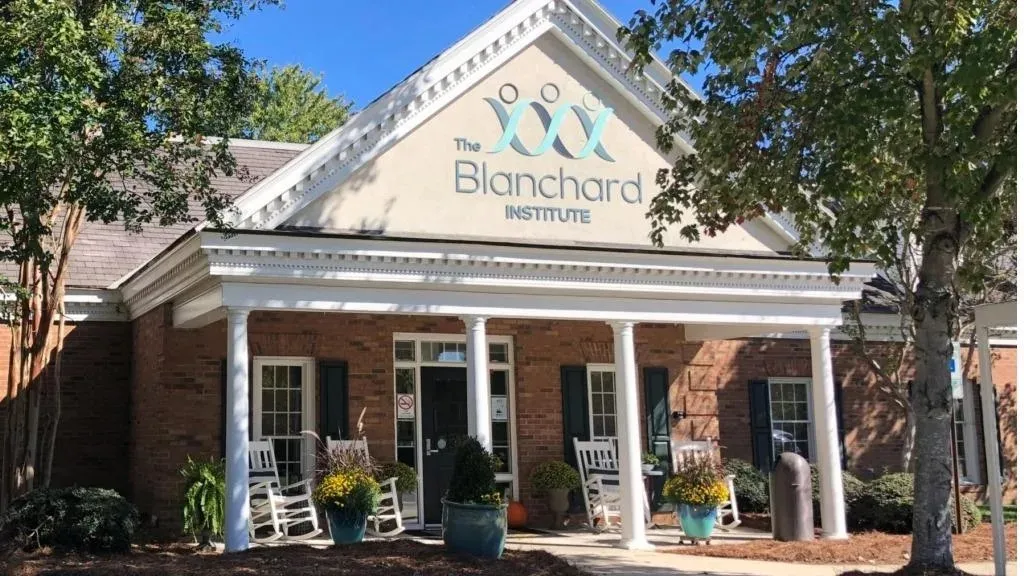
Why We Chose the Name “The Blanchard Institute”
When our founder created The Blanchard Institute, he intentionally chose something different.
The word “Institute” reflects our belief that education should be woven into every stage of the recovery process. We don’t simply want families to know where treatment happens. We want them to understand why treatment works, how recovery develops, and what role they can play in the healing process.
As The Blanchard Institute has grown throughout North Carolina, that commitment to education has remained at the center of everything we do.
Most Families Start With Questions, Not Answers
One of the biggest misconceptions about treatment is that people call already knowing what they need.
Most families contact us feeling overwhelmed.
Our role is to help them understand their options so they can make informed choices.
Education Helps Reduce Stigma
Stigma remains one of the biggest barriers to seeking help.
Many families still wonder whether mental health and addiction is a choice. Others struggle to understand why a loved one can’t simply stop drinking, stop using substances, or “snap out of” a mental health challenge.
Education changes that conversation.
At The Blanchard Institute, one of our primary goals is helping families experience that perspective shift.
Mental Health Education Is Immensely Important
The Blanchard Institute is a leading mental health provider serving North Carolina families.
Mental health conditions can affect every aspect of a person’s life, including relationships, work performance, physical health, and overall well-being.
Unfortunately, mental health challenges are frequently misunderstood.
Family members may not recognize symptoms of anxiety, depression, trauma, or mood disorders. Individuals themselves may struggle to identify what they’re experiencing.
That’s why education is such an important part of our process.
Our treatment programs help individuals and families better understand:
- Anxiety disorders
- Depression
- Trauma-related conditions
- Mood disorders
- Emotional regulation challenges
- Substance use disorders
- Family system dynamics
Knowledge doesn’t solve every problem.
But it often becomes the first step toward finding the right solution.
Understanding Levels of Care Reduces Anxiety
One of the most confusing parts of treatment is understanding levels of care.
Families hear terms like PHP, IOP, outpatient treatment, assessments, and recovery management. Suddenly it feels like an entirely different language.
We’ve found that education helps reduce much of that anxiety.
At The Blanchard Institute, we spend time helping families understand what different levels of care actually mean and why they exist.
Our programs are designed to meet individuals where they are clinically rather than forcing everyone into the same approach.
This matters because recovery is not one-size-fits-all.
As our founder often emphasizes, every person is biologically, emotionally, environmentally, and spiritually unique. Effective treatment begins by understanding those differences rather than ignoring them.
Why Family Education Is Central to Our Model
Many treatment providers involve family members.
At The Blanchard Institute, family engagement begins much earlier.
In fact, we often start supporting family members during the assessment process.
Why?
Because mental health challenges affect entire family systems.
When one person struggles, everyone around them is impacted.
That’s why our family support programs focus on helping loved ones understand:
- The disease process
- Healthy boundaries
- Communication skills
- Recovery expectations
- Family roles
- Emotional health
- Long-term healing
We aren’t simply educating the person entering treatment.
We’re helping educate the entire support system.
Education Creates Better Alignment
Families often want to help but aren’t sure how.
Some become overly involved.
Others pull away completely.
Some unintentionally reinforce unhealthy patterns while trying their best to support a loved one.
Education creates alignment.
When families understand the recovery process, they can participate in ways that support long-term healing rather than accidentally undermining it.
That’s one reason family involvement remains such a critical part of our philosophy.
Community Education Is Part of Our Mission
Our commitment to education extends far beyond our clinical programs.
We’ve worked hard to become a trusted educational resource throughout North Carolina.
That’s why we offer community-focused resources like our support groups and workshops.
These programs help individuals, families, professionals, and community members better understand:
- Addiction
- Mental health
- Recovery
- Family systems
- Communication
- Resilience
- Long-term wellness
Education shouldn’t stop when treatment ends.
And it shouldn’t require someone to become a client before they can access helpful information.
Education Helps Families Make Better Decisions
When families feel overwhelmed, they often want immediate answers.
That’s understandable.
But rushing into treatment without understanding the full picture can create additional challenges.
Education allows families to:
- Ask better questions
- Understand recommendations
- Participate more effectively
- Support loved ones more confidently
- Set realistic expectations
- Make informed decisions
Recovery is a process that supports health, wellness, and self-directed living. Families who understand that process are often better prepared to support it.
That’s one reason education remains central to our approach.
The Blanchard Institute Is More Than a Treatment Provider
The word “Institute” reflects our commitment.
Our goal has always been bigger than simply providing treatment.
Our goal is helping people understand recovery well enough to embrace it.
For families throughout North Carolina, education is often the first step.
We’re honored to walk that path with them.
Quick Takeaway
The Blanchard Institute was intentionally named an “Institute” because education is central to our mission. We believe families deserve clear, evidence-based information about addiction, mental health, treatment options, family dynamics, and recovery before they ever make a treatment decision. When people understand what they’re facing, fear decreases, stigma fades, and hope has room to grow.
FAQs
Why is education so important before addiction treatment begins?
Education helps families understand what mental health conditions actually are, what treatment involves, and what realistic recovery expectations look like. Many people begin the process feeling overwhelmed by conflicting information or stigma. When families have accurate information, they can make more confident decisions and participate more effectively in the recovery process. We’ve found that education often reduces fear and creates a stronger foundation for treatment success.
What makes The Blanchard Institute different from other treatment providers?
One of our biggest differentiators is our commitment to family systems and education. While many organizations involve families at some point, we begin engaging loved ones early in the process and provide structured education throughout treatment. Our goal is not only to help the individual seeking care but also to help families better understand the disease and their role in long-term healing.
How can family members learn more before a loved one enters treatment?
Families can begin by learning about our programs, speaking with our admissions team, participating in educational workshops, and exploring resources designed specifically for loved ones. Our locations and admissions team can help families understand available services and determine the most appropriate next steps based on their unique situation.
Sources
- Substance Abuse and Mental Health Services Administration. Recovery and Recovery Support. https://www.samhsa.gov/find-help/recovery